
No matter how diligent you are with home maintenance, life has a way of throwing unexpected problems your way. Unexpected damages can be stressful and overwhelming, from a sudden water leakage to a surprise electrical issue. But with a little preparation and a calm approach, you can handle these emergencies smoothly. Here’s how to get ready for the unexpected and what to do when home maintenance surprises strike.
1. Be Prepared and Gather Your Home Emergency Kit
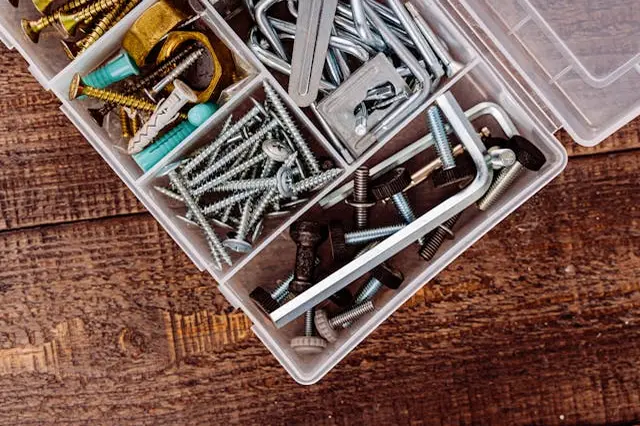
The best way to handle an emergency and sudden damages is to be prepared before it happens. Start by assembling a home emergency kit that includes the basics and essentials for coping with common issues.
Here are the basic tools for an emergency kit and what it includes.
Basic tools include a hammer, screwdrivers, pliers, wrenches, a utility knife, and a flashlight with extra batteries.
Plumbing supplies include a plunger, adjustable wrench, plumber’s tape, and a pipe wrench.
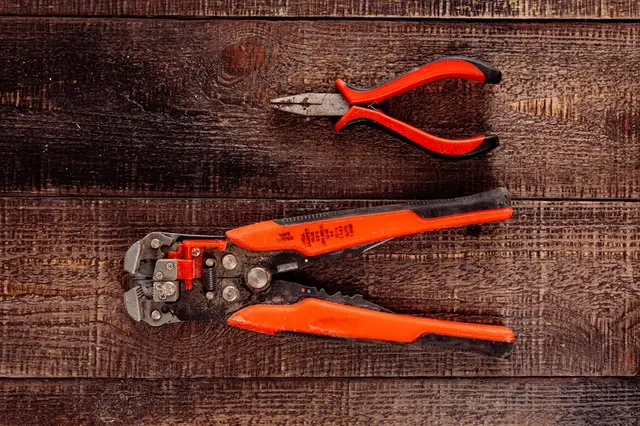
Electrical supplies include a voltage tester, electrical tape, and a few simple replacement fuses or circuit breakers.
First Aid Kit: Bandages, antiseptic wipes, and basic first aid supplies in case of minor injuries during repairs.
Emergency Numbers: A list of phone numbers for area plumbers, electricians, and other repair services.
Keeping these goods on hand will help you save time. If something goes wrong, you will not have to rush to find what you need.
2. Know Your Home’s Systems and Identify Possible Emergency
Understanding your home’s systems is a critical step in preparing for unexpected repairs. This implies you must understand where items are positioned and how they function.
Find your main water shutdown valve and discover how to turn it off. This is critical in the event of a burst pipe or significant spill. Understand where your electrical panel is and how to reset circuit breakers. Label each breaker, if it is not already labeled, so you can readily determine which circuit controls what.
Also, if your home contains gas, locate the shutoff valve and learn how to turn it off in case of a gas leak.
Taking the time to familiarize yourself with these systems can make all the difference in an emergency, allowing you to react quickly and limit damage.
3. Dealing with Common Emergencies
Here’s a breakdown of how to handle some of the most common unexpected home maintenance issues:
A. Leaks and Water Damage
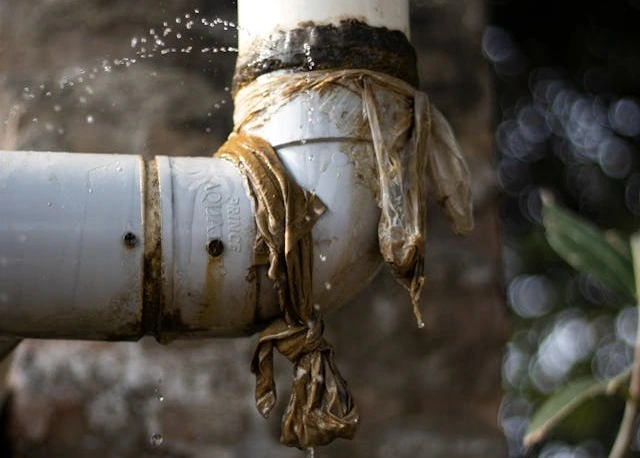
Immediate Steps: If you discover a leak, your first step should be to shut off the water supply to prevent further damage. Use towels or buckets to contain the water and prevent it from spreading.
Next Step: Identify the source of the leak. For minor issues like a dripping faucet, you might be able to make the repair yourself. For more serious problems, like a burst pipe or a leak in the ceiling, it’s best to call a plumber.
Prevention Tip: Regularly inspect plumbing fixtures and pipes for signs of wear or damage. Fix small leaks promptly to avoid bigger issues later on.
B. Electrical Problems
Immediate Steps: If you have a power loss in a portion of your home, first check the circuit breaker. If a breaker tripped, reset it. If the problem persists, or if you see any burning smells or flickering lights, switch off the power and contact an electrician right away.
Next Steps: Do not use any outlets, switches, or appliances that appear to be malfunctioning until they have been professionally tested.
Prevention Tip: Regularly check outlets and cords for signs of wear or overheating, and never overload circuits with too many devices.
C. Pest Infestations
Immediate Steps: If you notice signs of a pest infestation—whether it’s rodents, termites, or insects—act quickly to identify the extent of the problem. Set traps or bait stations for rodents, and seal up any entry points they might be using.
Next Steps: For more problematic infestations, it’s usually preferable to contact a pest control specialist, who will analyze the issue and propose a treatment strategy.
Prevention Tip: Keep your home clean and free of food crumbs, seal cracks and gaps in walls and around doors, and store firewood away from your home to deter pests.
4. When to Call in the Pros
While some repairs can be handled with basic DIY skills, others require the expertise of a professional. Knowing when to call for help can save you from making a problem worse or putting yourself in danger.
When to Call a Professional:
- Major plumbing issues: burst pipes, sewer backups, or any significant water damage.
- Electrical Repairs: Any issues beyond resetting a breaker or replacing a fuse—especially if there’s a risk of fire.
- Structural Damage: Cracks in the foundation, roof leaks, or other structural concerns.
- Pest Control: If an infestation is widespread or involves termites, which can cause significant damage to your home.
5. Insurance and Documentation
In the event of significant damage, such as from a burst pipe or electrical fire, you may need to file a claim with your homeowner’s insurance. To make the process smoother, it’s important to document the damage as soon as possible.
What to Do
– Take Photos and Videos: Document the damage thoroughly before you start any cleanup or repairs.
– Save Receipts: Keep records of any repair costs or emergency services you pay for out of pocket.
– Contact Your Insurance Company:** Report the damage promptly and follow their instructions for filing a claim.
Unexpected home maintenance issues can be stressful, but being prepared makes all the difference. By having a plan in place and knowing how to handle common emergencies, you can keep your cool and protect your home from further damage. Remember, it’s always better to act quickly and efficiently than to wait and hope the problem goes away on its own. With the right approach, you’ll be ready to tackle whatever surprises come your way.
Leave a Reply