
For decades, oak, maple, and walnut have been the go-to names in home décor, celebrated for their timeless beauty and durability. But lately, a less-expected star has been stealing the spotlight: “mango wood“. Once mostly known for its fruit, this versatile material is now showing up in everything from mango wood kitchen décor and shelving to statement furniture. And it’s not just a passing fad — mango wood has gone viral in the design world for its rich, one-of-a-kind grain, eco-friendly story, and ability to work across styles from modern minimalism to rustic charm. Here’s why it’s quickly becoming a favorite among home designers, style-conscious homeowners, and why you should take this trend seriously.
1. A Beautiful Grain Of Mango Wood With Personality
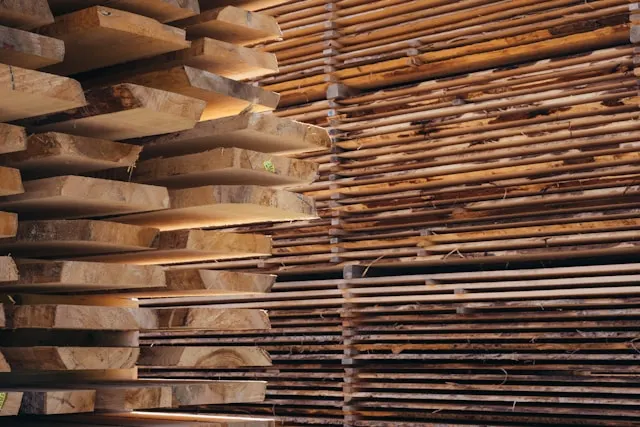
One of the first things you notice about mango wood is its striking grain. It often features a blend of golden-brown tones with streaks of yellow, pink, or even muted black. Each piece tells its own story, meaning no two mango wood furniture pieces — whether cutting boards, side tables, or serving bowls — will ever look exactly alike. That individuality makes your home feel curated — not pulled from a catalogue.
Why Its Colors Are So Diverse
The variety in mango wood’s tones comes down to the tree’s unique life cycle and the environment where it grows. Unlike timber harvested from young trees, mango wood home decor and furniture comea from trees that have already spent decades producing fruit. Once their fruit-bearing years are over, the wood is given a second life. Over time, minerals from the soil seep into the grain, leaving behind streaks and pigment variations influenced by climate, rainfall, and soil composition. These natural factors can create an organic palette that shifts from soft golden hues to rich browns, sometimes with pink, yellow, or even green undertones.
Its open grain structure also plays a role — light bounces differently off its surface depending on the angle and time of day, giving the wood a depth and warmth that makes each piece feel alive. In kitchens, mango wood kitchenware like cutting boards or salad bowls instantly add character, while in living spaces, a mango wood coffee table can stand out without overwhelming the room.
2. A Sustainable Choice You Can Feel Good About
Unlike many hardwoods that require cutting down young, healthy trees, mango wood is sourced from trees that have naturally reached the end of their fruit-bearing stage — usually around 15 to 20 years. Instead of being discarded, this mature wood is repurposed into sustainable mango wood furniture, turning what would be agricultural waste into a design asset.
If you care about keeping your footprint light while still surrounding yourself with beautiful, natural materials, mango wood home décor strikes the perfect balance between eco-conscious living and stylish interiors.
3. Durability That Works in Real Life
Mango wood isn’t just attractive — it’s built for everyday life. As a hardwood, it’s sturdy enough to handle daily wear yet not so dense that it becomes heavy or difficult to craft. It also has better water resistance than many softer woods, making it a smart option for kitchens and dining areas.
Like any natural material, it rewards a little care: avoid prolonged soaking, and give it a light rub with a food-safe oilnow and then to keep its glow and extend the life of your mango wood kitchenware.
4. Versatility in Style
One of the reasons designers can’t get enough of mango wood is its chameleon-like ability to adapt to different spaces. Its warm tones feel right at home in bohemian, rustic, coastal, and Scandinavian interiors, while its smooth surface and rich colors can easily anchor a modern or minimalist setting.
- In kitchens, floating mango wood shelves pair beautifully with crisp white tiles and matte black hardware.
- In living rooms, a console table against a deep, moody wall can strike the perfect balance between cozy and refined.
5. Affordability Without Sacrificing Quality
Because mango wood grows faster than many hardwoods and is reclaimed from old fruit trees, it’s generally more budget-friendly than teak or oak. That lower price doesn’t come at the cost of craftsmanship — you can find affordable home décor like hand-carved bowls, serving trays, or even full dining tables that look and feel high-end without the high-end shock to your wallet.
How to Care for Mango Wood
With proper maintenance, mango wood can last for decades and only become more beautiful as it ages. Its forgiving nature makes it practical, but it still benefits from regular upkeep:
- Clean gently after use – Wipe with a soft, slightly damp cloth. Skip harsh detergents or abrasive pads that strip natural oils.
- Limit moisture exposure – It can handle a quick splash, but standing water is its enemy. Dry immediately after cleaning or spills.
- Nourish regularly – Every two to three months, apply a thin coat of food-safe mineral oil or beeswax polish to replenish moisture, enrich the grain, and add a protective layer.
- Protect from heat and sunlight – Hot dishes, mugs, or prolonged sun can cause marks or fading. Always use trivets, coasters, or mats.
- Avoid extreme environments – Keep it away from radiators, heating vents, or overly humid areas to prevent cracking or warping.
Quick Fix Tip: For small scratches, lightly sand with fine-grit sandpaper, then reapply mineral oil for a refreshed look — no professional refinishing needed.
How to Bring Mango Wood Into Your Home
You can start with smaller accents like a serving board or salad bowl. Once you fall in love with its character, move on to larger pieces — think side tables, shelving, or a statement coffee table. Pair it with natural textures like jute rugs or linen throws for a layered, inviting feel.
When shopping, always check for “solid mango wood” in the product description. Some budget pieces use thin veneers over other materials, which won’t offer the same durability or longevity.
Mango wood furniture blends style, sustainability, and practicality in a way few materials can. From the soft grain of a serving platter to the bold presence of a dining table, it’s a design choice that’s here to stay — and one worth embracing before it becomes a staple in every home.





Leave a Reply