
“If you purchase through the links we provide, we may receive a small commission — at no extra cost to you.”
You toss your clothes into the washer, add a splash of detergent, and push the start button. But have you ever stopped to think about what’s actually swirling around with your laundry? Traditional detergents often come with a long list of hard-to-pronounce chemicals, many of which aren’t great for your skin and overall health or the environment.
That’s where eco-friendly laundry detergents come in. Yes there is the rise everywhere but it’s not just a trendy alternative — they’re a safer, and often more efficient choice for modern homes.
Why Go Eco?
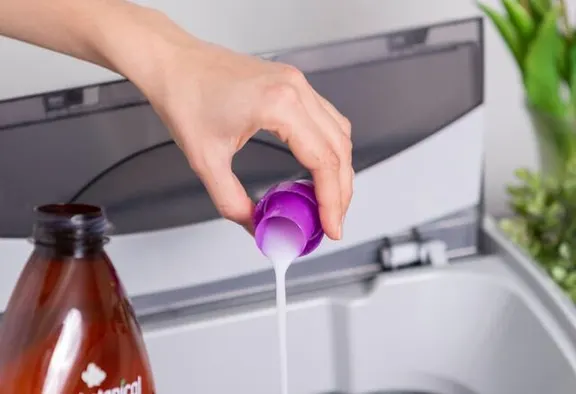
Typical laundry detergents can contain phosphates, sulfates, artificial fragrances, optical brighteners, and non-biodegradable surfactants. Once washed down the drain, many of these chemicals make their way into waterways, where they can harm aquatic life and even cycle back into our water supply.
Eco-friendly detergents, on the other hand, focus on plant-based ingredients, low-toxicity formulas, and biodegradable packaging. They’re designed to clean your clothes without leaving a harmful footprint behind.
Do Eco Detergents Actually Work?
Yes — and in many cases, better than conventional brands. Today’s best eco-friendly laundry detergents are powered by “enzyme-rich formulas” that break down stains naturally, and they’re often “concentrated”, meaning you use less per load (and buy less often).
Some are even formulated specifically for high-efficiency (HE) machines and cold water cycles saving both water and energy.
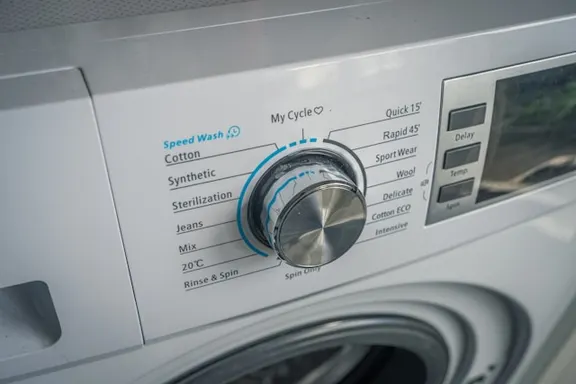
What to Look For on the Label
Not all “green” products are truly eco-friendly laundry detergents. Check the labels and look for these certifications and clues:
- “EPA Safer Choice”: Verified for safer chemical ingredients.
- “Leaping Bunny or Cruelty-Free“: Not tested on animals.
- “Fragrance-free or naturally scented“: Avoid synthetic fragrances if you’re sensitive.
- “Plant-based or biodegradable“ : Means less impact after washing.
- “No dyes, no phosphates, no optical brighteners:” These are often unnecessary and harmful.
Top Eco-Friendly Laundry Detergents In 2025
Here are some standout options gaining attention in 2025:
1. Dropps – These pods are plastic-free, ship in recyclable cardboard, and use minimal ingredients. They’re low-suds and work well in HE machines.
2. Molly’s Suds – Known for a minimal-ingredient powder that’s safe for sensitive skin and babies. No fragrance, no nonsense. Available in detergent powder and liquid laundry soup and even laundry sheets.
3. Seventh Generation Free & Clear – One of the most accessible options in major stores, with strong stain-fighting performance and no added dyes or scents.
4. ECOS Laundry Detergent – Plant-powered, effective in cold water, and made in carbon-neutral facilities. It comes in both liquid and sheet detergent and even their bottles are recyclable and made from post-consumer materials.
5. Tru Earth Laundry Strips – Ultra-concentrated and travel-friendly, these dissolvable strips reduce plastic waste and work surprisingly well for their size. Available in four hypoallergenic fragrances, they’re gentle on sensitive skin and tough on dirt.
Is It Worth the Switch to Eco-Friendly Laundry Detergents?
If you’re mindful of your health and aware of how long-term chemical exposure can be linked to serious issues like cancer or if you’re looking to protect your skin, reduce allergens in the home, and make more sustainable choices without compromising clean clothes switching to a low-tox, eco-friendly detergent is a small but meaningful step.
Many users report fewer skin irritations, less detergent build-up in machines, and even better-smelling clothes (without artificial perfume clouds).
One Small Swap, Big Impact
Switching to an eco-friendly detergent might feel like a small step, but in the grand scheme, it’s part of a larger shift toward conscious living. If every household made the switch, we’d see significant reductions in plastic waste, toxic runoff, and chemical exposure in homes.
So the next time you’re down to your last capful of detergent, take a moment to check the label and consider choosing an clean one.
Want to take your laundry routine even further? Learn how to avoid the most common laundry mistakes in this practical guide.



Leave a Reply