
Why Steel Cutting Boards Are Trending
Over the last couple of years, stainless steel cutting boards have gained significant popularity on social media and in modern kitchens. This sleek modern kitchen tool owes its rise partly to health and hygiene, which promise a cleaner, more sanitary surface. Unlike traditional wood or plastic boards, which can develop stains and odors, a stainless steel board remains looking pristine and is non-porous, meaning it won’t absorb juices or bacteria. Additionally, many are drawn to the ultra-modern aesthetic; a shiny steel board doubles as a conversation piece on the countertop. From TikTok videos touting their advantages to pro chefs embracing them for heavy-duty use, steel cutting boards are suddenly everywhere.
Pros of Stainless Steel Cutting Boards
Stainless steel cutting boards come with several notable advantages that set them apart from more traditional cutting board materials.
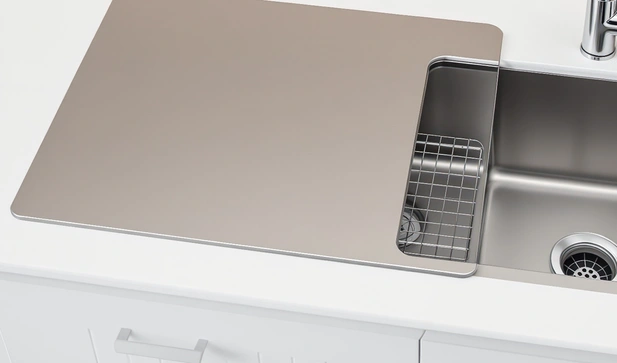
1. Excellent Hygiene
One of the biggest selling points is the material’s hygienic nature. Steel boards have a non-porous surface that doesn’t absorb liquids or food particles, so they don’t harbor bacteria or odors. In terms of steel cutting board hygiene, this means less risk of cross-contamination compared to porous wooden boards. Even after cutting raw meat, a stainless board can be thoroughly disinfected and will come out completely clean.
2. Extreme Durability
Stainless steel is incredibly tough and built to last. These boards resist cracks, warping, and knife gouges far better than wood or plastic. They’re also highly scratch-resistant and even heat-resistant, so you could place a hot pot on them without worry. In practice, a quality steel cutting board can handle years of heavy chopping, truly a long-term kitchen investment.
3. Easy Cleaning & Low Maintenance
Cleanup is a breeze. Stainless steel boards can go straight into the dishwasher or be rinsed with hot, soapy water without any special care. Unlike a wooden board that requires oiling and careful drying, a steel board doesn’t need seasoning or frequent replacement. Stains don’t set in, and strong smells (like garlic or fish) wash off completely. Busy cooks appreciate that these boards are practically maintenance-free while always looking “good as new.”
Stainless Steel Cutting Boards Cons
No cutting board is perfect, and stainless steel comes with a few downsides worth considering:
Dull Knives Faster
The very hardness that makes steel durable also means it’s tough on your knives. Blades can lose their sharp edge more quickly on a metal surface, dulling faster. If you use high-end knives, be prepared for more frequent sharpening when chopping on steel.
Loud Chopping Noise
Metal on metal creates a sharp, loud sound when you chop. The clang of a knife against a stainless steel board is much louder (and less pleasant) than the muted thud of a wooden board. Noise-sensitive cooks or those in small apartments might find this aspect annoying during vigorous chopping sessions.
Slippery Surface:
A smooth steel cutting board tends to be slick. Ingredients might slide around if the surface or countertop is wet, since steel lacks the natural grip of wood grain or plastic texture. This slipperiness can make precise chopping a bit more challenging unless the board has non-slip feet or you place a damp towel underneath.
How does a steel cutting board stack up against other common cutting board materials?
When you stack up stainless steel cutting boards against wood, plastic, and bamboo, the differences come down to maintenance, hygiene, and how kind they are to your knives. Wood boards (like maple or walnut) are timeless and gentle on blades, plus they have natural antibacterial properties, but they need regular oiling and can crack if neglected. Plastic is affordable and lightweight, but it scratches easily, can trap bacteria, and often ends up smelling funky. Bamboo feels like a greener choice and holds up better to moisture than traditional wood, but it’s surprisingly tough on knives and still needs care to avoid splitting. Steel boards win on durability and cleanliness. They don’t warp, stain, or soak up odors—but they will dull your knives faster. In the end, no single board is perfect for everything; you’ll get the most out of your kitchen by having a mix on hand for different cutting tasks.
Tips for Smart Use
If you add a stainless steel cutting board to your kitchen, a few simple strategies can help you get the best experience:
Prevent Slipping
Always stabilize a steel board before cutting. Look for models with rubberized feet, or lay a damp dish towel underneath to keep the board from sliding on your countertop. This ensures safety and more precise cuts.
Mind Your Knives
To offset the dulling effect on blades, use a sharp, high-quality knife and employ a gentle slicing (forward-and-back) motion rather than hard downward chops. This technique reduces the impact on the blade and helps your knives stay sharp longer.
Clean Promptly and Properly
Even though stainless steel is highly resistant to germs, you should still wash the board immediately after handling raw foods. Hot soapy water or a trip through the dishwasher will sanitize it thoroughly. Avoid abrasive scrubbers that could scratch the steel’s finish, and dry the board after washing to prevent water spots.
Inspect for Damage
Over time, no board is immune to wear. Occasionally, check your steel cutting board for any deep scratches or dents. If it does develop significant scratches, consider lightly sanding the surface or replacing the board to keep your kitchen as sanitary as possible.
Stainless steel cutting boards deliver on their promise of hygiene and durability, making them a worthwhile addition to many kitchens. They likely won’t completely replace your trusty wood or plastic board, but as a second board for messy or high-contamination tasks, they truly shine. With the right care and techniques to manage its quirks, a steel cutting board can be a sleek, safe, and efficient tool that elevates your food prep routine.






Leave a Reply