
If you often struggle to drift off at night, your bedroom environment might be to blame. The good news is that the right surroundings can make a big difference in your sleep quality. Here are seven evidence-backed bedroom design secrets for better sleep.
1. Dim the Lights and Embrace Darkness
Light exposure at the wrong time can seriously mess with your sleep. Bright light in the evening – especially blue light from screens or LED bulbs – suppresses melatonin, the hormone that makes you sleepy. Darkness does the opposite, signaling your body to produce melatonin and wind down for the night. In short, a dark bedroom cues your brain that it’s bedtime.
Use blackout curtains to block streetlights and early morning sun. Even a little light can trick your brain into wakefulness.
Switch to warm, dim lighting in the hour before bed. Soft amber lamps or dimmable bulbs are better than bright white lights for promoting drowsiness.
Keep tech screens out of the bedroom late at night. The blue light from phones and TVs can make your brain think it’s daytime.
Try a sleep mask if you can’t fully control the light. It’s a simple way to keep things dark and melatonin flowing.
2. Choose Calming Colors to Chill Bedroom Design for Better Sleep
Go blue (or green) Blue is often linked with tranquility and has been found to encourage longer sleep on average. Like those featured in Mediterranean-inspired bedroom designs that create a breezy, calming atmosphere for winding down at night. Green and other nature-inspired colors can also create a serene vibe.
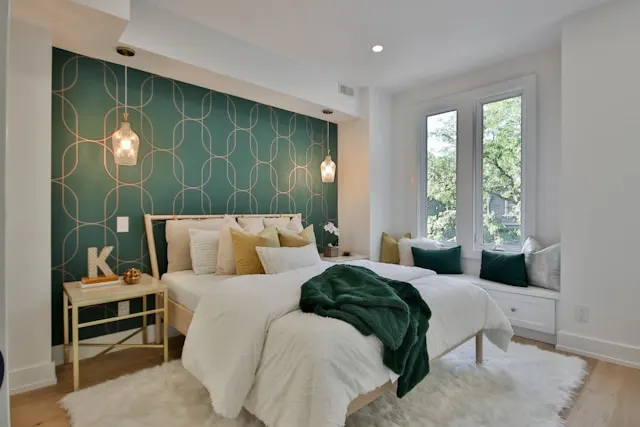
Avoid intense reds and neons that energize rather than relax. Keep the bold colors for other rooms, in your sleep space they might boost alertness.
Use accents if you can’t paint If you rent or don’t want to repaint, add calming colors through bedding, curtains, rugs, or artwork in soft tones.
Keep it cohesive Limit the palette to a few complementary soothing colors. A harmonious, uncluttered color scheme is more restful to the eyes and mind.
3. Upgrade Your Bed for Comfort
Your mattress, pillows, and bedding are literally where the magic of sleep happens. An old, saggy mattress or flat pillows can cause discomfort and wake you up through the night. In fact, studies show that a medium-firm, supportive mattress can improve sleep quality and reduce back pain for many people. Simply put, a comfortable bed is key to better sleep.
Replace a worn-out mattress Most have a lifespan of ~7–10 years. If yours has lumps, sags, or leaves you achy, it’s likely time for an upgrade.
Choose the right firmness for you. There’s no one-size-fits-all – some sleep better on firm beds, others on plush. What matters is that it supports your spine and feels cozy.
Don’t skimp on pillows Use a pillow that keeps your neck aligned. If your pillow is pancake-flat or lumpy, get a new one that suits your sleeping style (side sleepers often need thicker pillows than back sleepers, for example).
Layer your bedding Use breathable cotton, bamboo, or linen sheets to stay cool. Have a lightweight blanket plus a warmer comforter so you can adjust covers if you get too hot or cold at night.
4. Declutter and Simplify the Space
It’s hard to relax in a messy room. Piles of clothes, scattered items, and general clutter can make your brain feel subtly stressed – and researchers have found that cluttered bedrooms are linked to more difficulty sleeping. A neat, open space sets a calm tone that helps you unwind.
Keep only the essentials in your room. If possible, move work papers, exercise equipment, and other non-relaxing items elsewhere. Your bedroom should be a stress-free zone.
Use smart storage. Put a hamper in the corner for dirty laundry, use a nightstand with drawers, or keep baskets on shelves. Giving every item a “home” means less visual chaos.
Adopt a 5-minute tidy habit. Spend a few minutes each day putting things away. Making the bed, clearing the nightstand, and picking up clothes keeps the mess from piling up.
Arrange furniture for flow. Ensure you can walk to the bed and door without obstacles. A clear path not only looks calmer, it also prevents stubbed toes during midnight bathroom trips!
5. Bedroom Design a (Mostly) Tech-Free Zone for Better Sleep
Using smartphones, tablets, or watching TV in bed is common, but it can sabotage your sleep. The blue light from screens delays melatonin release, and engaging content keeps your mind alert when it should be winding down. Design your bedroom as a low-tech relaxation haven instead.

Remove the TV from the bedroom or avoid using it before sleep. Watch your shows elsewhere, then head to the bedroom when you’re ready to snooze.
Set up a charging station outside the bedroom for your phone and gadgets. This removes the temptation to scroll in bed. If you need an alarm, use a basic alarm clock or charge your phone across the room.
Establish a screen curfew Stop using electronics at least 30–60 minutes before bed. Use that time for calm activities like reading a paperback, gentle stretching, or a warm bath.
Cover up tiny lights Hide any little LED indicators (on chargers, power strips, etc.) that glow at night. Even small lights can disturb your sleep environment.
Related post: 12 Common Bedroom Design Mistakes, You Want to Avoid
6. Control Noise for Peaceful Nights
Unwanted noise is a major sleep disruptor – traffic, neighbors, or a dripping faucet can all jolt you awake. Even if you don’t fully wake up, noise can pull you out of deep sleep stages. A quiet environment helps you stay in restorative sleep longer. In fact, the World Health Organization recommends keeping nighttime noise below 40 decibels (about a quiet library level) for optimal rest.
Soundproof what you can Use heavy curtains to muffle street noise and consider a door draft blocker to seal gaps under doors. If you own your home, upgrading to solid-core doors or double-pane windows can make a big difference.
Soften the room Hard surfaces bounce sound around. Add a plush rug, fabric wall hangings, or an upholstered headboard to absorb noise. Even a bookshelf filled with books against a wall helps dampen sound.
Use white noise A fan, white noise machine, or an app playing gentle rain sounds can mask jarring noises. The steady hum becomes background sound that your brain tunes out.
Try earplugs for persistent noise. Not a design change, but quality earplugs can be a lifesaver if you have loud neighbors or traffic that you can’t otherwise control.
7. Keep It Cool and Airy
Ever notice you sleep better in a cool room? Temperature is a critical factor for sleep. Experts suggest aiming for around 60–67°F (16–19°C) as the ideal bedroom temperature. A room that’s too hot can lead to restlessness and sweating, while a too-cold room might wake you unless you’re bundled up. Cool, fresh air helps your body relax and fall asleep more easily.
Adjust your thermostat in the evening to keep the bedroom slightly cool (around 65°F is a good start). If you don’t have A/C, use a fan for airflow.
Use seasonal bedding In summer, go for lightweight sheets and a thin blanket. In winter, switch to flannel sheets or add a thicker comforter. This way you stay comfortable without overheating the room.
Improve ventilation Fresh air prevents stuffiness. Crack a window for a while or use an air purifier to circulate air. Keep humidity moderate (around 40-50%) – use a dehumidifier or humidifier if necessary to hit the sweet spot.
Keep it clean Dust and allergens can disturb your sleep by affecting air quality. Wash your bedding regularly and dust surfaces. Consider an air-purifying plant or two (or just an air purifier) to help keep the air fresh.
Small design changes in your bedroom can make a big difference to help you sleep better. You don’t need to do everything at once – try one or two changes and see how much your sleep improves. Before you know it, your bedroom will become the ultimate sanctuary for sweet dreams.


Leave a Reply